
Headline: From Statehouse to the I‑295 Corridor: Ex‑Murphy Communications Chief Joins MWW — Why Towns from Trenton to Camden Should Pay Attention
Category: Government | Latest Headlines
By Ari Williams, 295Times
A move out of the governor’s office and into the private communications world could change the way local governments and big projects along the I‑295 corridor get their messages handled. Mahen Gunaratna — the former communications chief in Gov. Phil Murphy’s administration — has joined MikeWorldWide (MWW) as executive vice president, where he’ll focus on public affairs and crisis strategy, leveraging 15 years of experience.
Why this matters to readers by exit, town, and county
This isn’t just “political staffer changes jobs” news. For towns that sit along I‑295 — from the Trenton/Mercer County ring to Burlington, Camden, Gloucester and Salem counties — it matters because MWW is the kind of firm that helps shape public conversation about major infrastructure projects, development proposals, emergency response, and local policy fights. When a practiced statehouse communicator joins a national public‑affairs shop, county administrators, municipal councils, and local developers may see a stronger player helping clients frame issues that directly affect residents living near I‑295 exits.
Think of the practical examples:
– Road and bridge projects: Big resurfacing or interchange projects that impact traffic at I‑295 exits create a need for careful, timely messaging — notifying commuters, explaining detours, and calming frustrated residents. A crisis communications team with statehouse savvy can smooth those transitions.
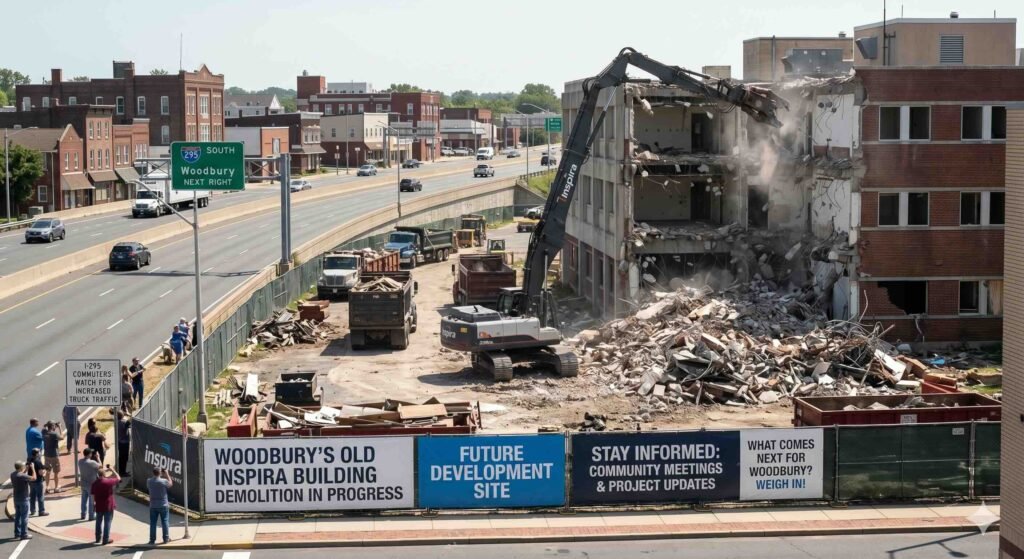
– Land development and rezonings: New shopping centers, warehouses, or housing near an exit can prompt community meetings, pushback, and political debate. Public affairs teams help stakeholders present plans and respond to pushback.
– Emergency incidents on or near the corridor: Spills, crashes involving hazardous materials, or weather‑driven closures on I‑295 require coordinated information flow to county OEMs, municipal leaders, and commuters. That’s a core area where the new hire’s experience will be used.
About MikeWorldWide (the brand and regional footprint)
MikeWorldWide is a global communications firm that works with corporations, trade associations, and government entities on public affairs, reputation management, and crisis communications. While it’s best known for offices across the Northeast and nationally, readers should view MWW not as a retail storefront but as a professional services firm that often works behind the scenes on issues that surface at the local level.
If you want to see where MWW operates: a quick search on Google Maps will show the firm’s main urban offices in the Northeast corridor. For towns along I‑295, that’s relevant because MWW’s teams can be brought in for regional projects that cross county lines — imagine a transportation plan affecting multiple exits and towns where coordinated messaging is essential.
What this hire likely brings to local governments and communities
– Statehouse relationships: Someone who’s worked inside a governor’s communications shop understands how state agencies think and how to get in front of the right officials — useful when a county or town needs help elevating or defending a project.
– Crisis readiness: Local leaders rarely have the luxury of communicating in a vacuum. When incidents suddenly put residents’ safety or livelihoods at risk — whether a flood near a low‑lying I‑295 ramp, a major highway collision, or a contentious planning board vote — a veteran crisis strategist helps local leaders speak clearly and quickly.
– Covering multiple stakeholders: Projects near I‑295 exits often involve DOTs, county engineers, municipalities, and private developers. Firms like MWW coordinate messages across those stakeholders to minimize mixed signals.
How this shows up on the ground: what neighbors might notice
This hire won’t put a new office or storefront on your Main Street, but it could affect what you read in local coverage and the tone at public hearings. Expect:
– More polished press releases and social media updates around major roadworks or closures.
– Third‑party consultants showing up at planning board meetings or community outreach sessions on behalf of developers or public agencies.
– Faster, more centralized responses in the event of accidents or public safety incidents affecting exit ramps and surrounding neighborhoods.
Local perspective and community sentiment
Because MWW isn’t a consumer business, you won’t find the same Yelp chatter you’d see for a coffee shop off Exit X. Instead, community sentiment shows up in local news coverage and on neighborhood forums. For more context on how similar hires or PR efforts have played out locally, check regional reporting from NJ.com and community posts on Patch.com — these outlets often track how public‑affairs campaigns influence planning outcomes and public opinion in towns next to I‑295 exits.
For a practical example: when a county announces a lane closure or a developer proposes a warehouse near an exit, NJ.com or Patch will typically publish the timeline and community reaction; that coverage is the arena where crisis and public affairs professionals operate.
What to watch next
– Which local projects or agencies MWW begins to represent in New Jersey. If MWW starts handling messaging for a county government, NJDOT project, or major developer near I‑295, you’ll likely see a bump in professionalized outreach and coordinated statements across towns.
– Public meetings and traffic advisories that suddenly include “contact” info for outside PR leads. That’s a sign the firm is active on an issue that affects your exit.
– Local reporters’ access. Experienced crisis pros sometimes tighten the flow of information; community journalists will push back. Watch how transparent communications are during any incident or contentious development.
Bottom line
Mahen Gunaratna’s move to MWW is more than a political footnote — it’s a development that can influence how projects, crises, and policies are explained to residents from Trenton to Camden and beyond. For commuters and neighbors by the I‑295 exits, that translates into clearer (and sometimes more managed) messaging about the changes that affect your daily drive, your neighborhood meetings, and the future of commercial and residential development nearby.
Sources & where to learn more
– NJBIZ reported the hire; read the original story for the formal announcement.
– For nearby project and traffic context, check NJ.com and Patch for local reporting by county and town.
– Use Google Maps to see the regional offices and to visualize where MWW’s teams can respond from.
– For community reaction to local government decisions and projects, search neighborhood forums and local Patch pages — that’s where residents raise concerns you’ll want to track at your exit.
As always: if there’s a public meeting at a hall near your exit or a new DOT traffic plan affecting your commute, show up. Those are the moments when communications strategy meets real people — and where you can hold both agencies and the professionals who run their messages accountable.