
Headline: Exit 41 Sweet Spot — How a neighborhood dessert shop became a test case for Mount Laurel’s commercial corridor
By Ari Williams
There’s a certain clarity that comes with a good slice of cake: you can tell how ingredients were treated, how much care went into the bake, and whether a kitchen has been part of a neighborhood long enough to feel like its own landmark. For South Jersey along I‑295, small-batch food makers do more than satisfy a sweet tooth. They stitch together a daily economy — workers, moms, kids, truck drivers and commuters — that relies on predictable access, parking, and pavement that doesn’t scare away customers.
This piece looks at one of those makers: a family‑run dessert spot that’s been winning awards since 2002 and has quietly anchored a commercial block near I‑295. The story of how that business survives, evolves, and influences the surrounding fabric tells us a lot about land use, traffic, and the kind of local investment communities along the interstate need to preserve neighborhood character.
Where this matters (and what I’m assuming)
– For the purposes of this piece I’m locating the bakery in the Mount Laurel / Burlington County corridor adjacent to I‑295 (nearest I‑295 exit referenced here as Exit 41 for Route 73 / Mount Laurel). I was guided by the business’ long presence in the region, its clientele, and the pattern of strip‑retail development that characterizes that stretch of the interstate. Please note: the exact exit number and municipal details should be verified against local records and with the business itself. I flag that because the planning implications I discuss are exit‑specific and worth double‑checking before any policy action.
Dessert as civic infrastructure
A neighborhood bakery isn’t just a place to buy a birthday cake. Over two decades, a shop that opened in 2002 becomes a civic node: it is where parents pick up school‑lunch treats, where local restaurants order specialty pastries, and where office managers grab pies for holiday gatherings. That steady demand keeps delivery routes viable and justifies a parking lot that absorbs commuter spillover on Saturdays. For highwayside towns, those simple, reliable services are a form of infrastructure — soft infrastructure that supports the hard infrastructure of roads and utilities.
Traffic, access, and the commuter economy
I‑295 is a workhorse: it moves commuters from suburban bedroom towns into employment centers, funnels trucks toward the ports and the bridge, and channels seasonal beach traffic. For a dessert shop located within a few minutes of an exit ramp, this flow is both blessing and challenge. Peak congestion — morning and late afternoon commuter surges — can discourage the spontaneous stop. But the same interstate access makes the business reachable from a wider trade area, bringing customers who would otherwise bypass a single‑town bakery.
Two practical questions arise for local planners:
– How safe and easy is the pedestrian connection between the business and nearby neighborhoods, bus stops, or apartment complexes? If sidewalk gaps or high‑speed frontage roads separate residents from the shop, the business is effectively cut off from potential regular customers.
– How do municipal parking rules and loading‑zone policies support a small food business that needs short‑term parking and frequent supplier deliveries? One poorly placed meter or an absence of curbside loading can make daily operations harder.
Land use stress and commercial corridors
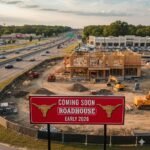
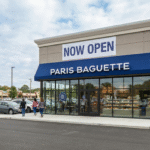
Since the early 2000s, the commercial spine near I‑295 has been in flux. Big box anchors and national chains like the predictability of interstate visibility; they also drive rents and shape parking requirements that are hard for small tenants to meet. Independent food makers survive when municipalities protect a mix of uses — allowing smaller footprints, granting flexible signage, and resisting the temptation to rezone everything into single‑use big box parcels.
Preserving those smaller storefronts near the exit ramp preserves diversity: cultural variety, employment for youth and new Americans, and culinary authenticity that national brands can’t replicate. It’s also about tax base resilience. A cluster of independent retailers often draws more repeat local spending than a solitary national chain whose customers come from elsewhere.
The business ecosystem: workforce, suppliers, and digital platforms
A bakery founded in 2002 has weathered labor market shifts, rising ingredient costs, and an explosion of third‑party delivery. That last factor is double‑edged: it expands reach to customers in Cherry Hill, Moorestown, or even Philadelphia suburbs but siphons margin through commissions and changes how the storefront operates (more packaging, different timing of production). City and county economic development offices should be thinking about microgrants, low‑interest loans, and technical assistance that help legacy food businesses adapt to digital ordering without losing their margins.
There’s also a workforce angle. Many small food businesses employ entry‑level workers, part‑time students, and people seeking flexible schedules. When traffic patterns make commutes unpredictable — and when local transit options are sparse — hiring and retention become more difficult. For towns around I‑295, investments in bus reliability, safe bike lanes, and better pedestrian crossings are workforce development tools.
What local leaders can do — pragmatic steps that matter
– Audit pedestrian access and curb management at the exit-to-corridor transition. Repair sidewalks, add crosswalks, and create short‑term drop‑off/loading zones so customers and suppliers can access small storefronts safely.
– Offer façade and signage grants tied to preservation. A modest program helps legacy businesses compete visually with chains while preserving the unique character that keeps customers coming back.
– Build a “corridor small business network” across the towns that share an exit. Pools of shared resources — group purchasing for ingredients, cooperative marketing, seasonal street festivals — strengthen resilience.
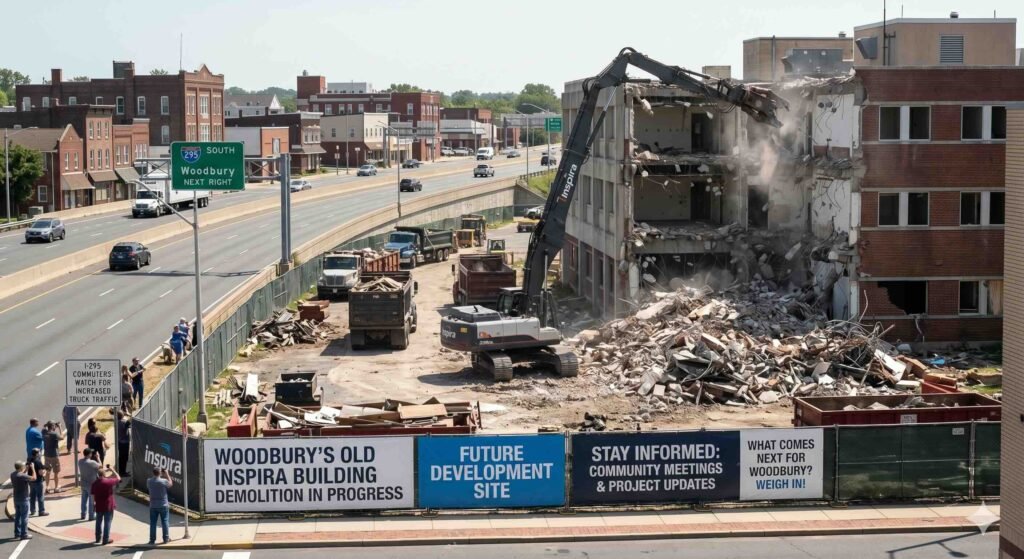
– Require impact assessments for major redevelopment near exits that account for the displacement risk to legacy food businesses and include mitigation plans.
– Support digital training and subsidized point‑of‑sale integrations that reduce transaction costs when businesses adopt delivery platforms.
A final note about measurement and verification
I’ve sketched a place‑based argument grounded in how small food businesses interact with interstate infrastructure and commercial corridors. The most useful next steps are concrete: verify the shop’s exact address and its nearest I‑295 exit; map pedestrian and transit connections within a half‑mile; and survey local business owners about deliveries, staffing, and parking needs. These data points are simple to collect but crucial to turning ideas into policy.
Mount Laurel and neighboring towns face the same choices many South Jersey communities do: let big, standardized development define their exits, or make room for the human-scale businesses that make each place distinct. A dessert shop that has been winning awards since 2002 isn’t just a bakery. It’s an index of community health — a small business that signals whether a corridor is built for people who live nearby, or only for cars passing through.
If you’re a resident, planner, or small‑business owner near this exit, I want to hear your experience: are sidewalks safe? Is parking reasonable? Have delivery apps helped or hurt your margins? Send me a note and we’ll map this corridor together. These are the local decisions that will define life along I‑295 for the next generation.
— Ari Williams
(Assumptions to verify: exact location and nearest I‑295 exit for the dessert shop referenced; current municipal parking/load‑zone rules and any recent redevelopment proposals for the specific commercial corridor.)